Conspiracy and counter-narrative archive

PARALLAX

Truth should withstand a change in perspective.

Accepted stories get no automatic victory. Alternatives get no free pass. Inspect the record and decide what it can actually carry.

Investigations
12
Evidence reviews
93
Logged sources
338
INV-012CURRENT READ PUBLISHED

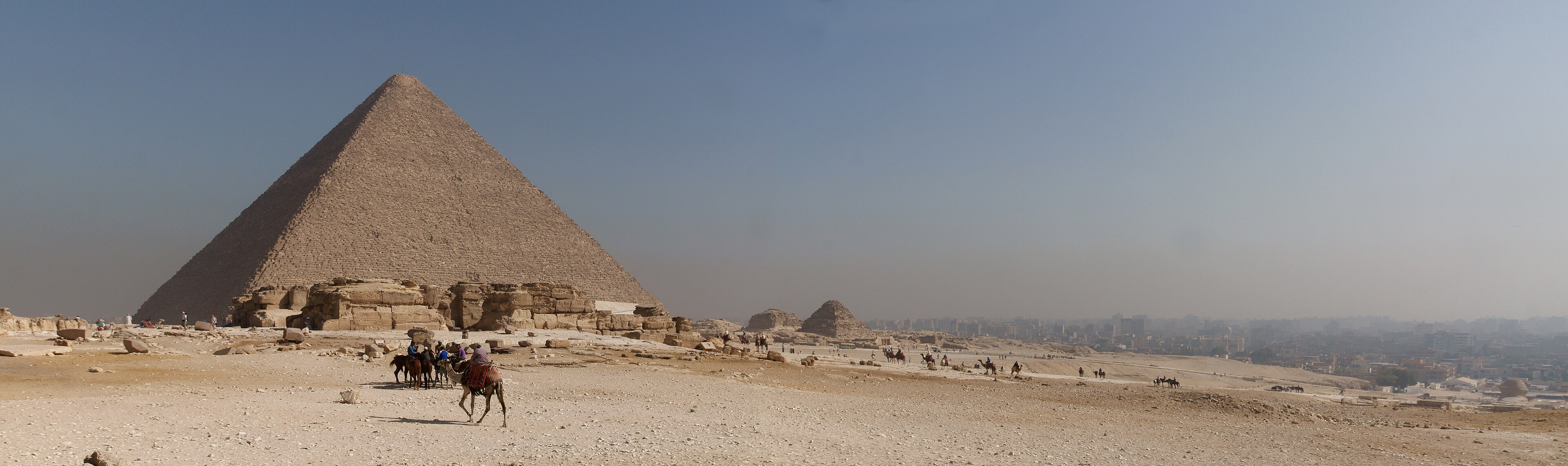
The Great Pyramids of Giza

Does the available archaeological and engineering evidence adequately explain when, why, and how the Great Pyramids at Giza were built, or do significant gaps support substantially different interpretations of their age, construction, or purpose?

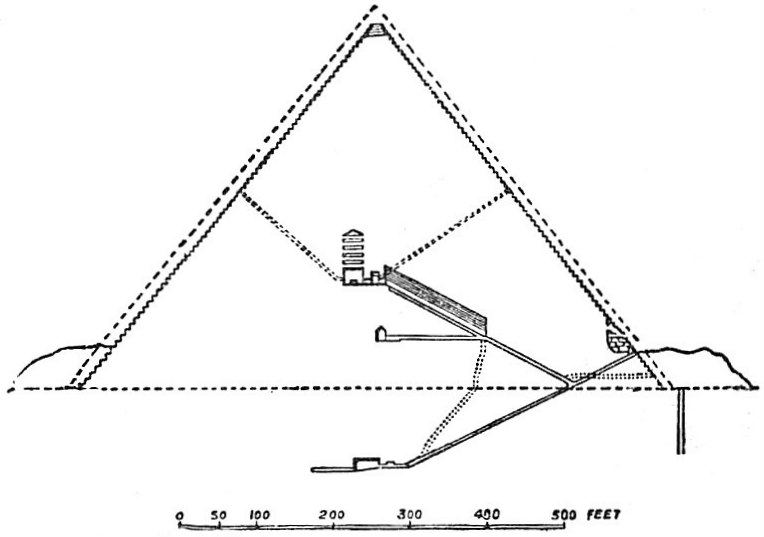
Current readThe converging record strongly favors Fourth Dynasty Egyptian construction and a royal mortuary context. The exact lifting system and some internal spaces remain unresolved. An inherited monument or earlier advanced civilization is testable but currently lacks a secure older construction phase.
Pressure point

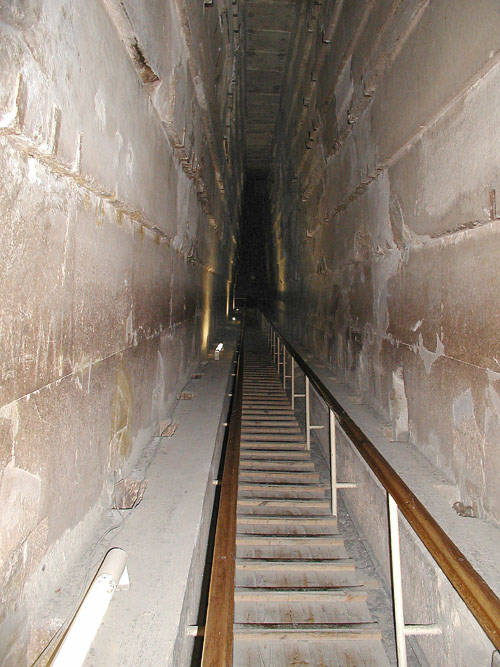
No surviving construction manual identifies the complete ramp, lifting sequence, workforce schedule, or placement method for the heaviest upper granite.

Open investigation
What we investigate
Official accountsDocumented conspiraciesInstitutional failureScientific disputesHistorical counter-narrativesUnresolved anomaliesExistential inquiries

How PARALLAX works

Ask, compare, inspect, revise.

We pressure-test accepted stories and counter-narratives with the same source-first discipline. Authority is context, not proof.

01

Define the Question

Begin with a specific, investigable question that does not smuggle a conclusion into the framing.

02

Define Scope

Record the time period, event, actors, evidence categories, geographic limits, and excluded side questions so the case does not expand endlessly.

03

Record Initial Assumptions

Privately record starting belief, confidence, reasons, and what evidence would change the view. This is bias control, not evidence.

04

Establish Competing Interpretations

Name the accepted account and every serious competing possibility. State what each requires, what supports it, what weakens it, and what evidence is still missing.

05

Build the Evidence Plan

Identify the evidence categories most likely to distinguish the interpretations, including serious official, independent, dissenting, technical, eyewitness, archival, and unconventional material when it can move the case.

No story is exempt from pressure.

Suspicion is a starting question, not a conclusion.

Corrections stay visible because the record matters.

A new PARALLAX format

Not every serious question ends in a verdict.

Inquiries cross disciplines, preserve contradictions, and ask what becomes visible when a question is viewed from somewhere unfamiliar.

Recently reviewed

Start with what does not add up.

Start with the newest work, or browse the complete archive by topic.

INV-012Archaeology / Engineering / Ancient HistoryWhy people question itNo surviving construction manual identifies the complete ramp, lifting sequence, workforce schedule, or placement method for the heaviest upper granite.
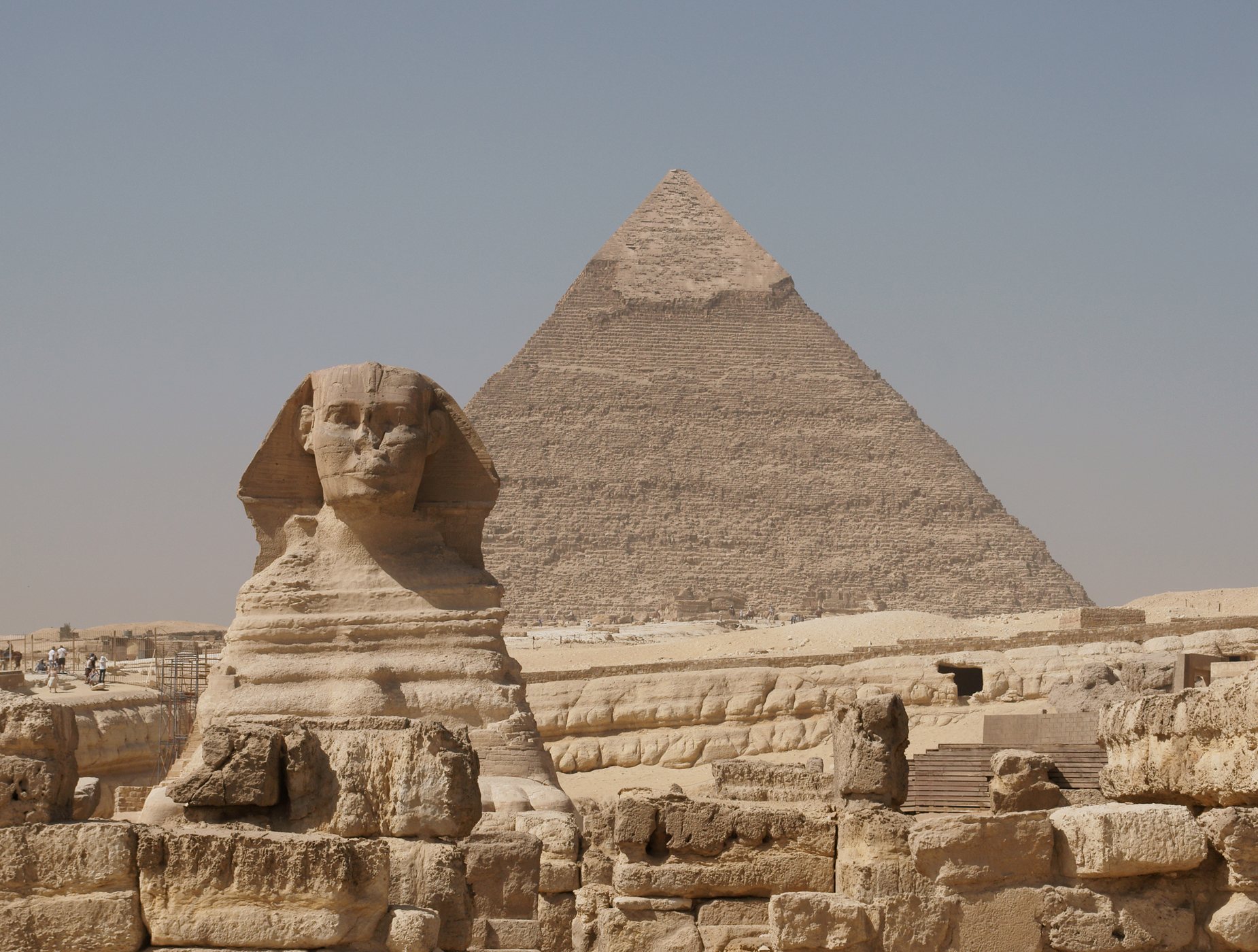
OPENCURRENT READ PUBLISHED

The Great Pyramids of Giza

Does the available archaeological and engineering evidence adequately explain when, why, and how the Great Pyramids at Giza were built, or do significant gaps support substantially different interpretations of their age, construction, or purpose?

Current read

The converging record strongly favors Fourth Dynasty Egyptian construction and a royal mortuary context. The exact lifting system and some internal spaces remain unresolved. An inherited monument or earlier advanced civilization is testable but currently lacks a secure older construction phase.

Ancient EgyptArchaeology
10Evidence reviews
29Logged sources
v0.1.1Current version
INV-011Criminal justice / public recordsWhy people question itRequired checks were missed, logs were falsified, a recommended cellmate was absent, and most relevant cameras were not recording.
OPENCURRENT READ PUBLISHED

Jeffrey Epstein: Death, the Files, and Institutional Failure

What does the available evidence establish about Jeffrey Epstein's death, the crimes and institutional failures surrounding him, and the completeness and handling of the public Epstein records?

Current read

Suicide is better supported than homicide, but catastrophic custody and evidence-handling failures cap confidence. The public archive is a major access gain and a documented privacy, provenance, and compliance failure.

criminal justicecustodial death
11Evidence reviews
34Logged sources
v0.1.1Current version
INV-010Archaeology / Geology / PaleoclimateWhy people question itNo surviving contemporary inscription names the original builder or gives a construction date.
OPENCURRENT READ PUBLISHED

The Sphinx Water-Erosion Hypothesis

Does the erosion evidence on the Great Sphinx support the conventional Old Kingdom dating, or does it indicate the monument may be significantly older than commonly accepted?

Current read

Water and runoff materially affected the enclosure, but the erosion is not a calibrated clock. The total evidence better supports an Old Kingdom origin; an earlier dynastic phase remains possible, while a substantially prehistoric date is not established.

ArchaeologyGeology
8Evidence reviews
21Logged sources
v0.1.1Current version

A conspiracy is a claim about coordinated action, not a synonym for nonsense. Some are documented. Some are plausible. Some collapse under scrutiny. All must earn their conclusion.

Read the founding charter

Recent revisions

Corrections stay visible.

INV-012 v0.1.1

Corrected the edge-ramp study title and DOI metadata.

September 3, 2026

INV-012 v0.1

Opened INV-012 with separate assessments of chronology, engineering, function, hidden spaces, and earlier-civilization claims.

September 3, 2026

SRC-001

Completed a site-wide source and external-link audit and repaired nine source destinations or metadata records.

September 3, 2026

METH-003

Reframed PARALLAX as a standards-based conspiracy and counter-narrative investigation archive and added a recurring Possibility Map to every case.

September 1, 2026

METH-002

Added embedded-media guidance clarifying that video clips may explain or contextualize claims but do not replace primary evidence.

August 30, 2026

METH-001

Expanded PARALLAX source-weighting rules to separate source category from evidentiary weight.

August 30, 2026

COR-000

Initial public version created with no prior public corrections recorded.

August 28, 2026