What does the available evidence establish about Jeffrey Epstein's death, the crimes and institutional failures surrounding him, and the completeness and handling of the public Epstein records?
Jeffrey Epstein: Death, the Files, and Institutional Failure
Suicide, custodial failure, unresolved anomalies, and what the released records do and do not establish
What does the available evidence establish about Jeffrey Epstein's death, the crimes and institutional failures surrounding him, and the completeness and handling of the public Epstein records?
criminal justicecustodial deathpublic recordsvictim rightsinstitutional accountabilityforensic pathologygovernment transparency
- Category
- Criminal justice / public records
- Source record
- 34 sources
- Evidence reviews
- 11
- Current version
- v0.1.1
The death question, the crime network, and the file-release question overlap, but they are not interchangeable. Proven institutional failure does not prove homicide. Failure to prove homicide does not vindicate the institutions.
Authority does not receive automatic closure, and dissent does not receive automatic credibility. This case remains open to stronger records, technical correction, and good-faith challenge.
Case briefing
Enter the conflict before the conclusion.
The accepted account is documented as a claim to test, not a truth to inherit. Serious alternatives face the same standard.
Jeffrey Epstein died by suicide in federal custody after severe but non-homicidal institutional failures. The later public record release was a large, legally constrained transparency effort, and no verified incriminating client list or public evidence of murder has been established.
A real history of institutional protection and concealment sits beside a death record with missing observation, broken cameras, false logs, and destroyed original video. The later archive mixes adjudicated evidence, raw records, allegations, duplicates, public tips, and political messaging.
- Required checks were missed, logs were falsified, a recommended cellmate was absent, and most relevant cameras were not recording.
- The original surveillance archive was later destroyed, while the public derivative video was initially described more strongly than its allowed.
- The extraordinary 2007 deal, unfinished 2019 prosecution, changing release claims, missing public manifest, and documented failures leave accountability and disclosure questions open.
At a glance
What is firmly established
- Epstein was convicted in Florida in 2008 and registered as a sex offender.
- The 2007 NPA was broad, lenient, secret from identified victims during negotiation, and protected potential co-conspirators from federal charges in the Southern District of Florida.
- Maxwell was convicted by a federal jury of five counts related to recruiting and grooming minors for Epstein abuse.
- The 2019 charges against Epstein were not tried because he died before trial.
- MCC personnel did not perform required rounds or counts, falsified records, failed to maintain a recommended cellmate, and left preventable ligature opportunity.
- Nearly all relevant cameras were not recording, and no surviving camera directly showed the cell door.
- OCME certified hanging and suicide; current forensic literature shows the neck fractures are compatible with suicidal hanging and not diagnostic alone.
- No public evidence reviewed establishes an assailant, unauthorized cell entry, assault, or homicide mechanism.
- The FBI master surveillance archive was destroyed in 2024, and the 2025 public video was reconstructed and edited rather than raw.
- The recovered midnight minute contains no notable event.
- No verified standalone incriminating client list has been produced.
- The archive intentionally contains unverified and sometimes false public submissions alongside official evidence.
- EFTA imposed broad release duties while preserving narrow victim, court, and legal protections.
- DOJ released roughly 3.5 million pages but missed the initial completion deadline and cannot yet demonstrate completeness through a simple public manifest.
- The 2026 release exposed protected victim and private information at large scale before takedowns and corrections.
- Compliance remains under active OIG audit and judicial review.
Still open
What remains disputed or unresolved
- Whether any nonpublic physical or digital evidence would change the manner-of-death assessment.
- The exact meaning of the July 23 injury and the adequacy of the suicide-watch decision.
- Whether every possible route to Epstein tier can be excluded through non-video access evidence.
- Whether destruction of the master archive was ordinary policy applied with unacceptable judgment or something more purposeful.
- The complete identity and role of additional criminal participants, facilitators, and knowing enablers.
- Whether Epstein ran systematic blackmail or acted for an intelligence service.
- Why specific people were charged, not charged, immunized, or never fully investigated.
- Whether every responsive DOJ record has been identified and released under EFTA.
- Which disputed redactions protect victims or lawful process and which are erroneous or impermissible.
- How many corrected or withdrawn documents remain unavailable or exposed through duplicates and mirrors.
Evidence snapshot
Where the major categories currently point.
Current direction and evidence impact are separate. Open any review for the complete observations, interpretations, source quality, and unresolved questions.
How to read this
Current direction says what the evidence presently supports, challenges, or leaves unresolved. Evidence impact says how important that category is to understanding the case. Impact does not mean support for either side.
Evidence categoryCurrent directionEvidence impactKey limitation / note
Evidence category2008 convictions and survivor record
Read review4 linked sources
Current directionEstablishes abuse and a recurring recruitment system
Evidence impactHigh impactCentral to the case or capable of materially changing the assessment.
Key limitation / note
The state plea did not adjudicate every victim account or later federal allegation.
Evidence category2007 non-prosecution agreement
Read review4 linked sources
Current directionStrongly supports exceptional institutional protection
Evidence impactHigh impactCentral to the case or capable of materially changing the assessment.
Key limitation / note
Poor judgment and secrecy are established; a specific corrupt motive is not.
Evidence categoryMaxwell conviction
Read review4 linked sources
Current directionEstablishes at least one criminal collaborator
Evidence impactHigh impactCentral to the case or capable of materially changing the assessment.
Key limitation / note
It does not convict every facilitator, visitor, associate, or alleged participant.
Evidence categoryCustody and suicide-risk record
Read review2 linked sources
Current directionStrongly supports preventable opportunity for suicide
Evidence impactHigh impactCentral to the case or capable of materially changing the assessment.
Key limitation / note
False logs and absent observations weaken reconstruction while proving failure.
Evidence categoryAutopsy and neck injuries
Read review5 linked sources
Current directionFavors hanging; manner remains technically contested
Evidence impactHigh impactCentral to the case or capable of materially changing the assessment.
Key limitation / note
Fractures are not diagnostic in isolation.
Evidence categorySurviving surveillance
Read review5 linked sources
Current directionSupports no observed approach while leaving blind areas
Evidence impactHigh impactCentral to the case or capable of materially changing the assessment.
Key limitation / note
The cell door and parts of relevant access geometry were not directly visible.
Evidence categoryVideo provenance and preservation
Read review5 linked sources
Current directionEstablishes serious evidence-handling and disclosure failure
Evidence impactHigh impactCentral to the case or capable of materially changing the assessment.
Key limitation / note
Reconstruction and editing do not by themselves establish image falsification.
Evidence categoryHomicide hypothesis
Read review6 linked sources
Current directionPossible but not positively established
Evidence impactHigh impactCentral to the case or capable of materially changing the assessment.
Key limitation / note
No public assailant, entry, struggle, or homicide mechanism has been demonstrated.
Evidence categoryFlight and travel records
Read review5 linked sources
Current directionEstablish association or movement in specific entries
Evidence impactMedium impactMeaningfully informs the case but is not decisive alone.
Key limitation / note
Travel does not establish purpose, knowledge, abuse, or crime.
Evidence categoryContact books and calendars
Read review5 linked sources
Current directionEstablish recorded contact or scheduling
Evidence impactLimited impactRelevant, but too indirect or constrained to carry much of the case.
Key limitation / note
Entries range from close contacts to stale, indirect, or third-party information.
Evidence categoryClient-list claim
Read review4 linked sources
Current directionNo verified incriminating ledger; public wording was misleading
Evidence impactHigh impactCentral to the case or capable of materially changing the assessment.
Key limitation / note
No master list does not mean no network or no additional offenders.
Evidence categoryEFTA legal duties
Read review7 linked sources
Current directionStrongly supports broad public disclosure
Evidence impactHigh impactCentral to the case or capable of materially changing the assessment.
Key limitation / note
Victim protection, court authority, and narrow legal exceptions remain real.
Evidence category2025-2026 production
Read review7 linked sources
Current directionMajor access gain with incomplete quality control
Evidence impactHigh impactCentral to the case or capable of materially changing the assessment.
Key limitation / note
Unique-document totals, completeness, and correction state remain hard to audit.
Evidence categoryVictim-redaction failures
Read review5 linked sources
Current directionEstablishes harmful release mishandling
Evidence impactHigh impactCentral to the case or capable of materially changing the assessment.
Key limitation / note
Error scale is proven; motive behind each failure is not.
Evidence categoryCompliance litigation and OIG audit
Read review7 linked sources
Current directionSupports continued concern; final outcome unresolved
Evidence impactHigh impactCentral to the case or capable of materially changing the assessment.
Key limitation / note
The injunction is preliminary and the audit remains open.
Evidence categoryBlackmail or intelligence operation
Read review5 linked sources
Current directionUnresolved / not established
Evidence impactMedium impactMeaningfully informs the case but is not decisive alone.
Key limitation / note
Plausible motive and association are not authenticated tasking or coercion evidence.
Current read
Where the record points after review.
PARALLAX does not require the reader to adopt a conclusion.
The available public evidence better supports suicide by hanging than homicide. The certified medical finding, known opportunity, and absence of positive assailant evidence carry more weight than motive narratives and nondiagnostic fracture claims.
Homicide has not been established. It remains a testable possibility because the government failed to observe, preserve, and publicly explain the evidence at the level this case required.
Catastrophic custody failure is established independently of cause of death. MCC left a recently suicidal high-profile detainee alone, skipped required checks, falsified records, failed searches, allowed a ligature opportunity, and operated with defective recording systems.
Epstein abuse and a recruitment network are established through convictions and multiple converging records. Maxwell conviction establishes one criminal collaborator. The full participant and enablement structure remains unresolved and must not be inferred from association alone.
The 2007 federal deal was exceptionally broad, lenient, and secret and excluded victims. OPR found poor judgment and deficient treatment without finding professional misconduct or proven corruption.
The 2025-2026 releases are a major public-access gain and a serious implementation failure. Deadline slippage, weak manifests, changing claims, derivative-video labeling, victim exposures, inconsistent redactions, and active compliance litigation are documented.
No verified incriminating client list, systematic blackmail operation, intelligence tasking record, or unified cross-administration cover-up has been established in the reviewed public record. Those claims remain open only where specific evidence can test them.
The case remains open to the OIG audit, appellate litigation, state investigations, correction logs, and any original evidence that materially changes the present balance.
What would change it
The assessment remains revisable.
- Original or first-generation surveillance showing unauthorized movement to or from Epstein tier.
- Authenticated access, key, biometric, door, or elevator records contradicting the current reconstruction.
- Physical evidence of assault, foreign DNA, defensive injury, staging, or a homicide mechanism not accounted for by hanging.
- A complete independent forensic review that materially changes interpretation of the pathology and scene evidence.
- Sworn and corroborated participant testimony identifying a homicide plan or execution.
- A public manifest showing every responsive record and the legal disposition, duplicate family, correction state, and redaction basis for each.
- Proof that officials knowingly hid, altered, destroyed, or selectively redacted records to protect someone from embarrassment or political harm.
- Authenticated tasking, payment, reporting, controlled-recording, or coercive-demand evidence establishing blackmail or intelligence operations.
- Charging or declination memoranda clarifying treatment of alleged recruiters, facilitators, abusers, and institutions.
- Final OIG audit findings or appellate rulings that materially change the current disclosure assessment.

01Visual source
Enter the conflict
What story were we given, and why is it questioned?
Begin with the account most people receive, then inspect why it remains contested before testing every serious possibility.The story we were given
The accepted account, stated without caricature.
Jeffrey Epstein died by suicide in federal custody after severe but non-homicidal institutional failures. The later public record release was a large, legally constrained transparency effort, and no verified incriminating client list or public evidence of murder has been established.
Why people question it
The pressure points that keep this case open.
A contradiction is not proof of a preferred theory. It is a reason to keep asking better questions.
- 01
Required checks were missed, logs were falsified, a recommended cellmate was absent, and most relevant cameras were not recording.
- 02
The original surveillance archive was later destroyed, while the public derivative video was initially described more strongly than its allowed.
- 03
The extraordinary 2007 deal, unfinished 2019 prosecution, changing release claims, missing public manifest, and documented failures leave accountability and disclosure questions open.
At a glance
What is firmly established
- Epstein was convicted in Florida in 2008 and registered as a sex offender.
- The 2007 NPA was broad, lenient, secret from identified victims during negotiation, and protected potential co-conspirators from federal charges in the Southern District of Florida.
- Maxwell was convicted by a federal jury of five counts related to recruiting and grooming minors for Epstein abuse.
- The 2019 charges against Epstein were not tried because he died before trial.
- MCC personnel did not perform required rounds or counts, falsified records, failed to maintain a recommended cellmate, and left preventable ligature opportunity.
- Nearly all relevant cameras were not recording, and no surviving camera directly showed the cell door.
- OCME certified hanging and suicide; current forensic literature shows the neck fractures are compatible with suicidal hanging and not diagnostic alone.
- No public evidence reviewed establishes an assailant, unauthorized cell entry, assault, or homicide mechanism.
- The FBI master surveillance archive was destroyed in 2024, and the 2025 public video was reconstructed and edited rather than raw.
- The recovered midnight minute contains no notable event.
- No verified standalone incriminating client list has been produced.
- The archive intentionally contains unverified and sometimes false public submissions alongside official evidence.
- EFTA imposed broad release duties while preserving narrow victim, court, and legal protections.
- DOJ released roughly 3.5 million pages but missed the initial completion deadline and cannot yet demonstrate completeness through a simple public manifest.
- The 2026 release exposed protected victim and private information at large scale before takedowns and corrections.
- Compliance remains under active OIG audit and judicial review.
Still open
What remains disputed or unresolved
- Whether any nonpublic physical or digital evidence would change the manner-of-death assessment.
- The exact meaning of the July 23 injury and the adequacy of the suicide-watch decision.
- Whether every possible route to Epstein tier can be excluded through non-video access evidence.
- Whether destruction of the master archive was ordinary policy applied with unacceptable judgment or something more purposeful.
- The complete identity and role of additional criminal participants, facilitators, and knowing enablers.
- Whether Epstein ran systematic blackmail or acted for an intelligence service.
- Why specific people were charged, not charged, immunized, or never fully investigated.
- Whether every responsive DOJ record has been identified and released under EFTA.
- Which disputed redactions protect victims or lawful process and which are erroneous or impermissible.
- How many corrected or withdrawn documents remain unavailable or exposed through duplicates and mirrors.
Scope
What this investigation is, and is not, asking.
This investigation separates five tracks: established crimes and participants; the 2007-2008 justice-system response; custody and cause of death; the structure and meaning of the files; and the 2025-2026 release, redaction, and compliance record.
It uses the September 1, 2026 public record cutoff. Ongoing litigation, state investigations, and the DOJ inspector-general audit can change the assessment.
It does not reproduce victim-identifying material, child sexual abuse material, or undifferentiated name lists. A persons appearance in a record is not treated as evidence of wrongdoing without conduct-specific corroboration.
It does not claim to have manually read every page in the multi-million-page release. It audits the corpus architecture and high-impact claims through controlling law, primary records, technical studies, court rulings, and document-based independent review.
Timeline
Case chronology.
A compact record of the events, tests, publications, and review moments that define the current investigation.
Palm Beach police investigation begins
The parents of a 14-year-old report that Epstein paid her after a massage, initiating the local investigation that develops additional victims and evidence.
Federal non-prosecution agreement is signed
The Southern District of Florida agrees to resolve its investigation through state pleas and extends non-prosecution language to potential co-conspirators.
Epstein pleads guilty in Florida
He receives an 18-month county sentence and later extensive work release, serving about 13 months.
Perversion of Justice renews scrutiny
The Miami Herald reconstructs the deal and centers survivors who had been excluded from the federal process.
New federal indictment and detention
SDNY charges Epstein with conspiracy and sex trafficking of minors. He pleads not guilty and is detained at MCC New York.
Neck injury and suicide watch
Epstein is found injured, placed on suicide watch, and later returned to the SHU with a recommendation for an appropriate cellmate.
Epstein is found unresponsive
After hours without required rounds and counts, officers find him hanging in his cell. He is pronounced dead after transport.
Medical examiner rules suicide
OCME certifies hanging as cause of death and suicide as manner.
Maxwell is convicted
A federal jury convicts Ghislaine Maxwell on five counts, establishing criminal participation in the recruitment and grooming system.
OIG publishes custody review
The inspector general documents pervasive misconduct and failure while finding no evidence contradicting the FBI suicide determination.
First phase exposes an internal records dispute
DOJ releases a small, largely familiar tranche; the Attorney General says thousands of additional pages were not initially provided to her office.
No-client-list memo and derivative video
DOJ and FBI reject the claimed incriminating ledger and reaffirm suicide. Metadata soon shows the public video was edited despite a raw label.
Transparency Act becomes law
Congress requires broad searchable release within 30 days and forbids withholding for embarrassment or political sensitivity.
DOJ announces a 3.5-million-page production
The release includes large image and video collections and public submissions, while DOJ claims completion subject to stated exclusions.
Victim exposures force mass takedowns
Thousands of documents and media are withdrawn after inconsistent redactions expose survivor and private information.
Audit and litigation remain active
OIG opens a compliance audit; a federal court grants preliminary relief in Phang; DOJ appeals; New Mexico separately seeks records for a state investigation.
Gallery
Visual context for the evidence.
These images are included as source-linked context, not as proof by themselves. Captions describe what the image can help inspect.
This image provides visual context. It does not establish cause, identity, date, or interpretation by itself.
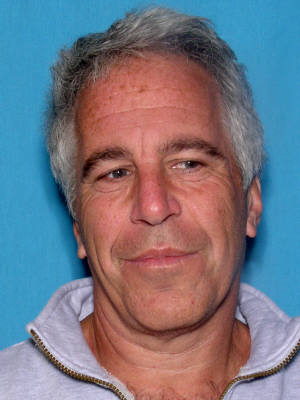
Florida Department of Corrections / Wikimedia Commons. Public domain.Mugshot of Jeffrey Epstein in 2009This image provides visual context. It does not establish cause, identity, date, or interpretation by itself.
Ajay Suresh / Wikimedia Commons. CC BY 2.0.Metropolitan Correctional Center, New YorkThis image provides visual context. It does not establish cause, identity, date, or interpretation by itself.
U.S. Department of Justice Office of the Inspector General. U.S. government work.DOJ OIG Report 23-085This image provides visual context. It does not establish cause, identity, date, or interpretation by itself.
U.S. Government Publishing Office. U.S. government work.Public Law 119-38This image provides visual context. It does not establish cause, identity, date, or interpretation by itself.
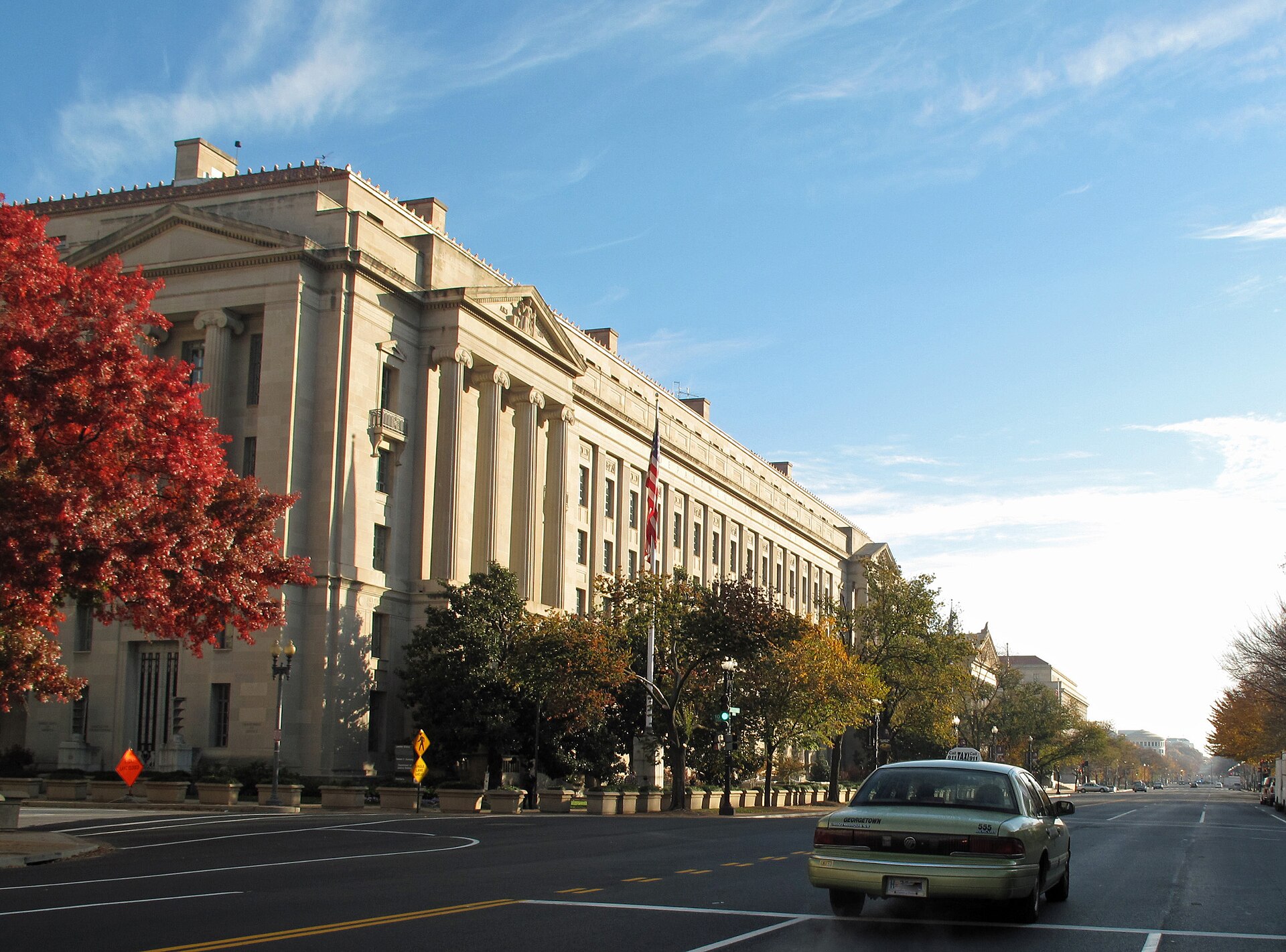
Voice of America / Wikimedia Commons. Public domain.U.S. Department of Justice Building with RoadPublic evidence record
What can actually be inspected.
Cases described as multi-source or multi-sensor still vary by channel. This inventory shows what is public, what is partial, what is missing, and how far each record can carry an inference.
Criminal case files
Partial recordPublic record
Indictments, motions, warrants, evidence lists, trial exhibits, interview records, and selected investigative materials from Florida, New York, Maxwell, and related cases.
What is missing
A simple complete manifest, all protected discovery, grand-jury material, and clear declination records for every investigated person.
How it can be used
Best record for charges, adjudicated outcomes, investigative steps, and government representations.
Civil litigation and compensation records
Partial recordPublic record
Complaints, depositions, exhibits, settlement approvals, estate disputes, and bank litigation.
What is missing
Sealed discovery, protected victim information, confidential settlement detail, and trial findings where cases settled.
How it can be used
Strong for institutional relationships, sworn evidence, compensation, and litigation-tested document discovery; allegations remain claim-specific.
Travel, contacts, and scheduling records
InspectablePublic record
Flight logs, manifests, address books, calendars, phone messages, emails, photographs, and itineraries across multiple releases.
What is missing
Complete authentication, context, duplicate mapping, canceled plans, and independent confirmation for many entries.
How it can be used
Useful for association and movement after document-specific corroboration; not a guilt list.
Financial and institutional records
Partial recordPublic record
Bank litigation, estate assets, settlements, corporate entities, property, payments, and selected internal communications.
What is missing
A unified transaction map, all suspicious-activity material, sealed discovery, and complete adviser knowledge chronology.
How it can be used
Tests enablement, suspicious patterns, operational funding, and institutional response without assuming every payment is criminal.
Death, custody, and medical evidence
Partial recordPublic record
OIG report, autopsy material, staff records, BOP logs, scene descriptions, derivative video, and selected FBI work papers.
What is missing
The destroyed master video archive, direct cell footage, and one convenient complete independent package of all pathology, trace, access, and digital artifacts.
How it can be used
Core record for manner of death, opportunity, institutional failure, and confidence limits.
DOJ EFTA library and datasets
InspectablePublic record
A centralized searchable portal with millions of pages, images, videos, prior disclosures, and related documentation.
What is missing
One machine-readable disposition and version manifest covering unique items, duplicates, redactions, removals, corrections, and withholdings.
How it can be used
Primary discovery corpus; each item still requires provenance and truth-status review.
Congressional and estate productions
Partial recordPublic record
House releases obtained through subpoenas to DOJ and the estate, including large document sets and later interviews.
What is missing
A clear denominator for requested versus produced material and consistent crosswalk to DOJ duplicates.
How it can be used
Additional access route and oversight record; political framing and selection require document-level analysis.
Public tips and submitted media
InspectablePublic record
Responsive submissions retained by investigators, including allegations, images, documents, and video from the public.
What is missing
Consistent visible verification status and separation from evidence independently authenticated by investigators.
How it can be used
Lead generation and audit of what agencies received, never automatic proof of the submitted claim.
Grand-jury, victim, and court-protected material
UnavailablePublic record
Court orders, category descriptions, some redacted versions, and aggregate withholding explanations.
What is missing
Victim-identifying records, child sexual abuse material, sealed discovery, and grand-jury content not authorized for public release.
How it can be used
Completeness accounting and judicial oversight, not unrestricted publication.
Public-benefit audit
Released is not the same as usable.
Each dimension separates the access the public actually gained from the barrier that still limits understanding. This is an evidence audit, not a single transparency score.
Provenance and authenticity
Meaningful improvementWhat the public gained
Official Bates identifiers and a central federal archive help distinguish government-held records from unattributed internet copies.
What still blocks understanding
Government possession does not validate content, and derivative files such as the jail video still need a transformation history.
Findability and access
Strong improvementWhat the public gained
Millions of pages and large media collections are available through one portal alongside prior DOJ and House disclosures.
What still blocks understanding
Handwriting, scans, inconsistent metadata, age-gate friction, and distributed duplicates make search uneven.
Coverage and completeness
Partial / unknownWhat the public gained
The Act covers investigations, travel, entities, charging decisions, destruction, detention, and death more broadly than prior voluntary releases.
What still blocks understanding
No simple public denominator reconciles more than six million potentially responsive pages with release, duplicate, withholding, removal, and correction totals.
Victim safety and privacy
Limited / unevenWhat the public gained
The law and review protocols expressly prioritize victim protection, and DOJ removed identified harmful material.
What still blocks understanding
Large-scale exposures were irreversible once files were downloaded or mirrored; duplicate handling and technical redaction failed.
Context and due process
Limited / unevenWhat the public gained
Court records, source labels, and primary files let careful readers distinguish allegations, evidence, and judgments.
What still blocks understanding
The archive mixes verified evidence with false submissions, duplicates, news clippings, and decontextualized names without a universal truth-status label.
Independent auditability
LimitedWhat the public gained
Downloadable records permit outside document review, technical inspection, and litigation challenges.
What still blocks understanding
The public cannot reproduce completeness, redaction accuracy, or withholding totals from a stable machine-readable manifest.
Corrections and oversight
Meaningful but fragmentedWhat the public gained
Courts, Congress, newsrooms, survivor counsel, state investigators, and OIG all provide external correction pressure.
What still blocks understanding
No single public change log connects takedowns, restored versions, corrected redactions, judicial orders, and final audit findings.
02Visual source
Map the possibilities
Which possibilities survive the pressure?
Give the accepted explanation and its strongest challengers the same hard questions: what fits, what fails, and what is still missing?Competing possibilities
The accepted account and its strongest alternatives.
Inclusion means a possibility is worth testing. It does not mean every possibility currently carries equal evidentiary weight.
Suicide enabled by catastrophic custodial failure
Epstein killed himself after MCC systems and staff defeated the protections that should have prevented or rapidly detected the act.
Current treatment
Leading death explanation. It fits the medical and circumstantial record best, while government-created gaps prevent maximum confidence and do not excuse the custody failures.
Homicide concealed or missed by a deficient investigation
Epstein was killed, or homicide was not responsibly excluded, while missing observations, camera failure, false records, and evidence loss prevented proof.
Current treatment
Possible but unestablished. Suspicion is understandable because the failures are real, but missing evidence is not positive evidence of homicide.
Suicide is most probable, but maximum confidence is unrecoverable
The evidence direction favors suicide while government-created gaps permanently limit certainty and justify continued independent review.
Current treatment
Best overall death assessment. Suicide remains more probable than homicide, and the lost evidence means the ceiling on confidence cannot now be recovered.
Fragmented but substantially lawful disclosure
Scale, duplicates, victim protection, grand-jury secrecy, court orders, privilege, and technical difficulty explain most gaps while the releases greatly improve access.
Current treatment
Partly supported. The release delivered major public value, but its completeness, quality control, and legal compliance cannot yet be independently confirmed.
Managed disclosure protecting institutions or sensitive people
Changing claims, selective releases, omissions, and redactions were used at least partly to control political or institutional damage.
Current treatment
A live accountability possibility, not an established master plan. Documented process defects support scrutiny; they do not by themselves prove coordinated concealment.
Possibility map
Stress-test every serious explanation.
Select a possibility to see what would need to be true, what supports it, what weakens it, what is missing, and how seriously the current record allows PARALLAX to treat it.
Primary questionWhat does the available evidence establish about Jeffrey Epstein's death, the crimes and institutional failures surrounding him, and the completeness and handling of the public Epstein records?
Suicide enabled by catastrophic custodial failure
What would need to be true
Epstein killed himself after MCC systems and staff defeated the protections that should have prevented or rapidly detected the act.
What supports it
- Certified medical ruling and convergent FBI/OIG conclusions.
- Long unobserved interval, no cellmate, available linen, and recent suicide-risk history.
- No positive public evidence of an assailant or assault.
- Forensic literature directly weakens the claim that the neck fractures prove homicide.
What weakens it
- No direct cell video and incomplete access-route coverage.
- False staff records and multiple simultaneous failures.
- Destroyed master video and later inaccurate public description.
What evidence is missing
- Direct cell-door video or a complete preserved reconstruction of every access route.
- The original surveillance archive and a fully auditable evidence chain.
How PARALLAX treats it now
Leading death explanation. It fits the medical and circumstantial record best, while government-created gaps prevent maximum confidence and do not excuse the custody failures.
Discriminating evidenceOpen the categories that can move the assessment
These links lead to the underlying evidence reviews. Direction is kept separate from importance and is never converted into a score.
High impact2008 convictions and survivor record
Establishes abuse and a recurring recruitment system
Open 011-AHigh impact2007 non-prosecution agreement
Strongly supports exceptional institutional protection
Open 011-BHigh impactMaxwell conviction
Establishes at least one criminal collaborator
Open 011-AHigh impactCustody and suicide-risk record
Strongly supports preventable opportunity for suicide
Open 011-CHigh impactAutopsy and neck injuries
Favors hanging; manner remains technically contested
Open 011-DHigh impactSurviving surveillance
Supports no observed approach while leaving blind areas
Open 011-EThis map does not award points for novelty or authority. Compare serious possibilities, inspect what each one explains, and follow the evidence categories back to their detailed reviews.
Evidence matrix
Current direction by category.
Current direction shows what a category supports, challenges, or leaves unresolved. Evidence impact shows how important that category is to understanding the case, without turning uncertainty into a fake score.
How to read this
Current direction says what the evidence presently supports, challenges, or leaves unresolved. Evidence impact says how important that category is to understanding the case. Impact does not mean support for either side.
Evidence categoryCurrent directionEvidence impactKey limitation / note
Evidence category2008 convictions and survivor record
Read review4 linked sources
Current directionEstablishes abuse and a recurring recruitment system
Evidence impactHigh impactCentral to the case or capable of materially changing the assessment.
Key limitation / note
The state plea did not adjudicate every victim account or later federal allegation.
Evidence category2007 non-prosecution agreement
Read review4 linked sources
Current directionStrongly supports exceptional institutional protection
Evidence impactHigh impactCentral to the case or capable of materially changing the assessment.
Key limitation / note
Poor judgment and secrecy are established; a specific corrupt motive is not.
Evidence categoryMaxwell conviction
Read review4 linked sources
Current directionEstablishes at least one criminal collaborator
Evidence impactHigh impactCentral to the case or capable of materially changing the assessment.
Key limitation / note
It does not convict every facilitator, visitor, associate, or alleged participant.
Evidence categoryCustody and suicide-risk record
Read review2 linked sources
Current directionStrongly supports preventable opportunity for suicide
Evidence impactHigh impactCentral to the case or capable of materially changing the assessment.
Key limitation / note
False logs and absent observations weaken reconstruction while proving failure.
Evidence categoryAutopsy and neck injuries
Read review5 linked sources
Current directionFavors hanging; manner remains technically contested
Evidence impactHigh impactCentral to the case or capable of materially changing the assessment.
Key limitation / note
Fractures are not diagnostic in isolation.
Evidence categorySurviving surveillance
Read review5 linked sources
Current directionSupports no observed approach while leaving blind areas
Evidence impactHigh impactCentral to the case or capable of materially changing the assessment.
Key limitation / note
The cell door and parts of relevant access geometry were not directly visible.
Evidence categoryVideo provenance and preservation
Read review5 linked sources
Current directionEstablishes serious evidence-handling and disclosure failure
Evidence impactHigh impactCentral to the case or capable of materially changing the assessment.
Key limitation / note
Reconstruction and editing do not by themselves establish image falsification.
Evidence categoryHomicide hypothesis
Read review6 linked sources
Current directionPossible but not positively established
Evidence impactHigh impactCentral to the case or capable of materially changing the assessment.
Key limitation / note
No public assailant, entry, struggle, or homicide mechanism has been demonstrated.
Evidence categoryFlight and travel records
Read review5 linked sources
Current directionEstablish association or movement in specific entries
Evidence impactMedium impactMeaningfully informs the case but is not decisive alone.
Key limitation / note
Travel does not establish purpose, knowledge, abuse, or crime.
Evidence categoryContact books and calendars
Read review5 linked sources
Current directionEstablish recorded contact or scheduling
Evidence impactLimited impactRelevant, but too indirect or constrained to carry much of the case.
Key limitation / note
Entries range from close contacts to stale, indirect, or third-party information.
Evidence categoryClient-list claim
Read review4 linked sources
Current directionNo verified incriminating ledger; public wording was misleading
Evidence impactHigh impactCentral to the case or capable of materially changing the assessment.
Key limitation / note
No master list does not mean no network or no additional offenders.
Evidence categoryEFTA legal duties
Read review7 linked sources
Current directionStrongly supports broad public disclosure
Evidence impactHigh impactCentral to the case or capable of materially changing the assessment.
Key limitation / note
Victim protection, court authority, and narrow legal exceptions remain real.
Evidence category2025-2026 production
Read review7 linked sources
Current directionMajor access gain with incomplete quality control
Evidence impactHigh impactCentral to the case or capable of materially changing the assessment.
Key limitation / note
Unique-document totals, completeness, and correction state remain hard to audit.
Evidence categoryVictim-redaction failures
Read review5 linked sources
Current directionEstablishes harmful release mishandling
Evidence impactHigh impactCentral to the case or capable of materially changing the assessment.
Key limitation / note
Error scale is proven; motive behind each failure is not.
Evidence categoryCompliance litigation and OIG audit
Read review7 linked sources
Current directionSupports continued concern; final outcome unresolved
Evidence impactHigh impactCentral to the case or capable of materially changing the assessment.
Key limitation / note
The injunction is preliminary and the audit remains open.
Evidence categoryBlackmail or intelligence operation
Read review5 linked sources
Current directionUnresolved / not established
Evidence impactMedium impactMeaningfully informs the case but is not decisive alone.
Key limitation / note
Plausible motive and association are not authenticated tasking or coercion evidence.
Evidence reviews
The repeatable review structure for future cases.
Each category separates the core question, established observations, source quality, competing interpretations, assessment, unresolved issues, and sources.
011-A
Crimes, Victims, and the Proven Network
Current directionSustained abuse and at least one criminal collaborator are established
Question tested
What criminal conduct and collaborative structure are established without relying on rumor or ?
Current read
Epstein 2008 convictions, the developed law-enforcement record, survivor accounts, compensation claims, and Maxwell jury conviction establish a recurring abuse and recruitment system. The 2019 indictment added serious allegations that were never tried. The record supports a network; it does not convert every contact, passenger, employee, or visitor into a participant.
Established Observations
- FACTEpstein pleaded guilty in Florida in 2008 to felony solicitation of prostitution and procuring a person under 18 for prostitution and became a registered sex offender.
- FACTA federal jury convicted Ghislaine Maxwell on five counts involving the recruitment, grooming, and transport of minors for abuse by Epstein.
- FACTThe 2019 federal indictment alleged a recruitment and sex-trafficking system involving underage girls in New York and Florida.
- SUPPORTED INFERENCEThe operation required more than one person, but responsibility must be assigned from conduct evidence rather than social or documentary association alone.
- UNKNOWNThe complete number of knowing recruiters, facilitators, abusers, witnesses, and institutional enablers has not been publicly adjudicated.
Evidence Quality
High for convictions, agreement terms, and the Maxwell verdict; strong but claim-specific for survivor testimony and civil records; limited for uncorroborated tips.
Accepted / Conventional Reading
- The adjudicated record establishes Epstein and Maxwell criminal conduct; uncharged third-party claims require individualized corroboration.
- Prosecutorial decisions may reflect admissibility, limitations periods, witness risk, jurisdiction, and evidentiary sufficiency rather than protection.
Challenge / Alternative Reading
- The small number of convictions is difficult to reconcile with the duration, locations, logistics, and number of survivors without substantial additional facilitation.
- The 2007 immunity language and later record gaps may have obstructed accountability beyond Epstein and Maxwell.
PARALLAX Current Read
RECURRING ABUSE AND A RECRUITMENT NETWORK ARE ESTABLISHED; GUILT MUST REMAIN PERSON- AND CONDUCT-SPECIFIC
Video Context
These clips are included to clarify how a claim is presented or explained. They are not substitutes for the source trail.
How the Miami Herald investigation reopened public scrutiny
The reporters explain their records work and survivor-centered reporting. It helps show how the public record changed without replacing the underlying court documents.
A newsroom retrospective is secondary explanation and reflects the journalists selection of their own work.
Miami Herald journalists discuss Perversion of Justice
011-B
The 2007 Deal and Unequal Justice
Current directionStrongly supports exceptional protection and institutional failure
Question tested
Did the NPA and later custody represent ordinary discretion, or exceptional institutional protection?
Current read
The NPA was unusually broad, lenient, and secret, protected potential co-conspirators, and excluded victims while officials continued to imply an active investigation. OPR found poor judgment and unacceptable victim treatment but not professional misconduct or proven corruption. The strongest finding is unequal and failed justice; a specific corrupt command remains unproven.
Established Observations
- FACTThe United States agreed not to prosecute Epstein federally in the Southern District of Florida for the investigated conduct and extended protection to potential co-conspirators.
- FACTIdentified victims were not consulted before execution and received communications that obscured the agreement status.
- FACTOPR found poor judgment and deficient victim treatment but did not find professional misconduct or evidence that wealth, status, associations, or corruption drove the decision.
- SUPPORTED INFERENCEThe deal and permissive work release produced a materially more favorable outcome than the developed evidence and public-safety stakes would ordinarily predict.
- DISPUTEDClaims that the agreement was ordered to protect intelligence relationships or specific powerful people are not established by the reviewed primary record.
Evidence Quality
High through the agreement, OPR review, litigation record, and appellate opinion. Private motive remains less observable than the terms and effects.
Accepted / Conventional Reading
- Prosecutors negotiated a guaranteed state conviction and registration while avoiding litigation risks and witness trauma.
- OPR found the decision within Acosta authority and did not substantiate corruption.
Challenge / Alternative Reading
- The breadth, secrecy, immunity language, misleading victim communications, and custody privileges show a justice system bending around wealth and influence.
- A narrow misconduct standard does not answer whether power produced an unjust result through lawful discretion.
PARALLAX Current Read
EXCEPTIONAL PROTECTION, SECRECY, AND VICTIM EXCLUSION ESTABLISHED; SPECIFIC CORRUPT OR INTELLIGENCE DIRECTION NOT PROVEN
011-C
Custody, Suicide Risk, and the Final Night
Current directionCatastrophic, preventable custody failure established
Question tested
Did MCC controls protect a recently suicidal high-profile detainee, and what opportunity did their failure create?
Current read
MCC ignored or defeated multiple safeguards: no replacement cellmate, missed rounds and counts, falsified logs, an improper phone call, incomplete searching, excess linens, poor staffing, and defective recording systems. These failures strongly explain how suicide could occur and simultaneously make the event harder to audit.
Established Observations
- FACTAfter the July 23 incident and suicide watch, psychology staff recommended that Epstein have an appropriate cellmate.
- FACTHis cellmate was transferred on August 9 and no replacement was assigned before the death.
- FACTRequired rounds and counts were not performed for hours, and records were completed to falsely show compliance.
- FACTA required cell search was not properly completed and Epstein retained excess linens usable as a ligature.
- SUPPORTED INFERENCEThe convergence of failures created a clear opportunity for suicide and deprived later investigators of stronger contemporaneous evidence.
Evidence Quality
High through the OIG reconstruction, staff admissions, records, schedules, camera data, and criminal filings.
Accepted / Conventional Reading
- Chronic understaffing, mandatory overtime, weak management, and policy disregard explain the failures without coordination.
- The same failures that enabled suicide can appear suspicious after the fact because every protective layer failed.
Challenge / Alternative Reading
- The number and timing of failures around a uniquely consequential detainee are difficult to accept as independent coincidence.
- Falsified records and blind cameras make staff assurances less reliable and leave room for concealed action.
PARALLAX Current Read
THE GOVERNMENT CREATED A PREVENTABLE OPPORTUNITY FOR SUICIDE AND AVOIDABLE GAPS IN THE DEATH RECORD
011-D
Autopsy and Manner of Death
Current directionMedical balance favors hanging; fractures do not prove homicide
Question tested
Do the neck injuries establish homicide, or are they compatible with suicidal hanging?
Current read
The official autopsy certified hanging and suicide. Michael Baden offered serious dissent based principally on the fracture pattern and other observations. Current forensic studies show that laryngohyoid fractures, including hyoid and thyroid injuries, occur frequently enough in suicidal hanging that they are not diagnostic in isolation.
Established Observations
- FACTThe autopsy documented fractures of both superior thyroid cartilage horns and the left hyoid horn with soft-tissue hemorrhage.
- FACTThe medical examiner certified cause of death as hanging and manner as suicide.
- DISPUTEDBaden argued the injury pattern was more consistent with homicidal strangulation, while the medical examiner stood by suicide.
- FACTA 2023 meta-analysis found no unique suicidal-hanging fracture pattern and warned against using neck fractures alone to determine manner.
- FACTA 2026 audit found laryngohyoid fractures in 59.3 percent of 383 suicidal hangings.
Evidence Quality
High for the official anatomical findings and strong for population-level fracture research; mixed for public expert interpretation because a full independent case review is not available.
Accepted / Conventional Reading
- Age, ligature force, anatomy, and incomplete suspension can produce the documented fractures in suicide.
- Manner of death integrates the scene, history, and autopsy rather than one injury.
Challenge / Alternative Reading
- Multiple fractures, disputed petechial and ligature observations, and a deficient scene investigation justify independent homicide review.
- The official determination may inherit unreliable custody assumptions.
PARALLAX Current Read
OFFICIAL SUICIDE FINDING REMAINS BETTER SUPPORTED; NECK FRACTURES ALONE CANNOT CARRY A HOMICIDE CONCLUSION
011-E
Surveillance, Access, and Video Provenance
Current directionNo assailant is shown; exclusion strength is limited by blind areas and provenance failure
Question tested
What does the surviving video exclude, and what did government handling remove from independent review?
Current read
The surviving camera shows a common area and partial stair view, not the cell door. OIG found no observed approach after about 10:40 p.m., but independent specialists dispute claims that every relevant route had to appear. The master archive was destroyed in 2024, and the 2025 public video was a reconstructed and edited screen recording inaccurately called raw.
Established Observations
- FACTNearly all cameras in and around the SHU were not recording after a known system failure, although live views continued.
- FACTThe surviving recording does not directly show Epstein cell door and shows only a limited portion of the stair and common area.
- FACTThe FBI master surveillance evidence item was authorized for destruction in 2024 after the investigation closed.
- FACTThe 2025 public file was created from screen captures, joined and trimmed in Adobe Premiere, and therefore was not technically raw.
- FACTThe later recovered midnight interval showed nothing notable, weakening claims that the gap concealed a homicide event.
Evidence Quality
High for official system history and public-file metadata; strong independent technical review of what the image can show; incomplete because the master evidence no longer exists.
Accepted / Conventional Reading
- The footage is consistent with no observed approach to the tier and supports the suicide conclusion when combined with access records and witness statements.
- The midnight gap and edit history arose from reconstruction, not concealment of an event.
Challenge / Alternative Reading
- Because the camera did not cover every route and staff logs were false, the video cannot exclude unauthorized access as strongly as officials claimed.
- Destroying the master and mislabeling a derivative release are unacceptable in a case where provenance is central.
PARALLAX Current Read
VIDEO SUPPORTS NO OBSERVED ASSAILANT BUT WAS OVERSTATED; MASTER-EVIDENCE DESTRUCTION AND RAW-LABEL CLAIM WERE SERIOUS FAILURES
Video Context
These clips are included to clarify how a claim is presented or explained. They are not substitutes for the source trail.
Forensic review of the jail-camera field of view
A concise visual explanation of the camera blind areas, stair geometry, and why the released view cannot support every official exclusion claim.
The clip summarizes a journalistic review and cannot supply access to the destroyed master evidence or every secure-area record.
CBS News analysis of the Epstein jail video
011-F
Suicide Versus Homicide
Current directionSuicide better supported; homicide not established; confidence permanently limited
Question tested
Which explanation best fits the complete public record, including the failures that limit confidence?
Current read
Suicide explains the medical ruling, opportunity, and lack of positive assailant evidence with fewer unsupported steps. Homicide has plausible motives and real investigative weaknesses but lacks a demonstrated actor, entry, assault, mechanism, or concealment chain. Institutional failure is certain even where homicide is not.
Established Observations
- FACTThree official reviews or findings - OCME, FBI, and OIG - converge on suicide.
- FACTThe public record contains no verified assailant identification, unauthorized cell entry, defensive struggle, or homicide mechanism.
- SUPPORTED INFERENCESuicide currently requires fewer unsupported assumptions than homicide.
- SUPPORTED INFERENCEGovernment failures lowered the maximum confidence that any manner-of-death assessment can now achieve.
- SPECULATIONClaims naming a particular political, intelligence, financial, or criminal actor as Epstein killer remain unsupported without event-specific evidence.
Evidence Quality
Mixed but substantial: official scene and medical records, independent forensic research, limited video, falsified logs, and incomplete preserved evidence.
Accepted / Conventional Reading
- A detainee facing severe charges and loss of status used a long unobserved interval and available linen to kill himself.
- The custody failures reflect a known broken institution rather than a coordinated operation.
Challenge / Alternative Reading
- Epstein had uniquely powerful potential adversaries, and the combined failures created opportunity and cover for homicide.
- The absence of direct evidence is partly a product of the governments failure to preserve it.
PARALLAX Current Read
SUICIDE IS THE BEST-SUPPORTED EXPLANATION; HOMICIDE REMAINS POSSIBLE BUT UNPROVEN; INSTITUTIONAL FAILURE IS CERTAIN
011-G
What the Files Prove - and What They Do Not
Current directionDocument type and provenance strictly limit inference
Question tested
How should flight logs, contact books, interviews, civil filings, evidence lists, and public tips be interpreted?
Current read
The archive is not a unified ledger of guilt. A record can be authentic yet contain an allegation, mistake, stale contact, or false public submission. Every claim requires a chain from record type to authorship, context, corroboration, and the exact proposition asserted.
Established Observations
- FACTThe public corpus contains criminal files, civil records, travel documents, contacts, financial material, custody evidence, congressional productions, and public tips.
- FACTDOJ warned that the 2026 production includes fake or falsely submitted material because responsive public tips were included.
- FACTThe enacted disclosure law required broad person and entity references, so appearance in the corpus is not a government finding of wrongdoing.
- SUPPORTED INFERENCENames should be published or discussed only when context and conduct evidence make them necessary to a supported finding.
- UNVERIFIED CLAIMA name in a log, address book, photograph, email, or tip proves criminal participation.
Evidence Quality
Variable by record category, ranging from adjudicated court evidence to knowingly unverified public submissions.
Accepted / Conventional Reading
- Most associations in a large social and business archive are noncriminal unless linked to specific corroborated conduct.
- Privacy and due-process caution are necessary because the archive intentionally includes allegations and public submissions.
Challenge / Alternative Reading
- Patterns across travel, payments, calendars, testimony, and communications may reveal conduct that no single document establishes.
- Overly cautious name handling can protect powerful people when context is already strong and public-interest reporting is justified.
PARALLAX Current Read
THE ARCHIVE SUPPORTS DOCUMENT-SPECIFIC FINDINGS, NOT A MASS GUILT-BY-ASSOCIATION LIST
011-H
The Client List and Changing Public Claims
Current directionNo verified standalone client list; public wording materially misled
Question tested
Did the government possess a verified incriminating client list, and were public expectations described accurately?
Current read
The phrase client list suggested a verified ledger of people who bought abuse. The first 2025 release instead contained familiar logs, contacts, and an evidence list. Internal records reportedly show the FBI had already said no such list was found before the prominent public claim, and the July memo formally rejected its existence.
Established Observations
- FACTThe February 2025 first phase largely consisted of records already leaked or public.
- FACTBondi later said her office initially received about 200 pages and learned thousands more existed.
- FACTThe July 2025 DOJ/FBI memo said investigators found no incriminating client list and no credible evidence of blackmail of prominent people.
- SUPPORTED INFERENCEUsing client list for a packet of heterogeneous records materially inflated what the public should expect the evidence to establish.
- UNKNOWNThe private intent behind the conflicting descriptions cannot be resolved solely from public statements.
Evidence Quality
High for official releases and memo; strong document-based journalism for the timing of internal FBI statements.
Accepted / Conventional Reading
- Client list was loose media shorthand for records under review, not a literal evidentiary representation.
- The later memo corrected public misunderstanding after the full review.
Challenge / Alternative Reading
- Officials knowingly used a sensational phrase despite prior internal knowledge that no such document had been found.
- The reversal was part of a managed effort to close the matter without fully exposing investigative decisions.
PARALLAX Current Read
NO VERIFIED INCRIMINATING CLIENT LEDGER HAS BEEN SHOWN; PUBLIC LANGUAGE CREATED AN EXPECTATION THE RECORD DID NOT SUPPORT
011-I
Transparency Act and Release Completeness
Current directionMajor access gain; complete compliance not established
Question tested
Did the 2025-2026 production satisfy the law and provide an independently auditable public record?
Current read
The Act required broad searchable release within 30 days and prohibited protection based on embarrassment or political sensitivity. DOJ released about 3.5 million pages from more than six million potentially responsive pages, but missed the deadline, lacks a simple public denominator, faces a , and remains under OIG audit.
Established Observations
- FACTPublic Law 119-38 required searchable, downloadable release within 30 days and barred withholding for embarrassment, reputational harm, or political sensitivity.
- FACTDOJ said review was incomplete at the deadline and later reported nearly 3.5 million pages released from more than six million potentially responsive pages.
- FACTThe district court granted preliminary relief on specified compliance claims in June 2026.
- FACTDOJ OIG opened an audit of collection, redaction, release, and correction procedures.
- UNKNOWNThe public cannot yet reproduce one final count of unique responsive, withheld, removed, corrected, and available records.
Evidence Quality
High for statutory duties, DOJ representations, court findings, and audit scope; incomplete for final compliance because litigation and audit remain open.
Accepted / Conventional Reading
- The scale, duplicate volume, victim protection, court orders, grand-jury law, privilege, and technical processing explain much of the delay and withholding.
- The release is unprecedented even if implementation was imperfect.
Challenge / Alternative Reading
- Congress enacted the law because voluntary disclosure failed, and DOJ still missed deadlines, withheld disputed records, and did not provide the required audit trail.
- Incomplete manifests and changing claims can permit politically selective disclosure without easy detection.
PARALLAX Current Read
ACCESS IMPROVED DRAMATICALLY; TIMELINESS, COMPLETENESS, REDACTION, AND AUDITABILITY REMAIN MATERIALLY UNRESOLVED
011-J
Victim Privacy and Redaction Failure
Current directionLarge-scale, harmful quality-control failure established
Question tested
Did the disclosure process protect survivors while preserving useful public context?
Current read
The January 2026 production exposed victim identities, faces, intimate imagery, contact details, and other private information across thousands of documents or media before takedowns. At the same time, innocuous context was sometimes over-redacted. The result was neither consistent privacy protection nor consistent transparency.
Established Observations
- FACTDOJ removed several thousand documents and media after victim-identifying information was reported.
- FACTDuplicate copies sometimes redacted a victim in one version and exposed the same person in another.
- FACTSome digital blackouts left underlying text recoverable, while other redactions obscured unrelated or harmless content.
- FACTDOJ attributed the exposure to technical or human error and began withdrawals and process changes.
- SUPPORTED INFERENCEThe release pipeline lacked adequate duplicate-aware entity review and pre-publication quality control for its most important privacy duty.
Evidence Quality
High through DOJ acknowledgments, court letters, victim-counsel filings, and multi-newsroom document-level review.
Accepted / Conventional Reading
- An unprecedented high-volume deadline produced serious but non-malicious technical and human errors that DOJ moved to correct.
- Some over-redaction was a predictable response to severe victim-protection risk.
Challenge / Alternative Reading
- The error scale after repeated assurances shows reckless institutional disregard for survivors and makes other quality claims unreliable.
- Inconsistent under- and over-redaction can selectively harm vulnerable people while obscuring accountable actors.
PARALLAX Current Read
THE RELEASE FAILED ITS CENTRAL VICTIM-PROTECTION DUTY AT SCALE; CORRECTIONS CANNOT FULLY REVERSE THE EXPOSURE
011-K
Blackmail, Intelligence, and Institutional Enablers
Current directionInstitutional enablement supported; blackmail or intelligence operation unresolved
Question tested
Does the public record establish a blackmail or intelligence operation, and what institutional facilitation is established?
Current read
Opaque wealth, powerful relationships, private properties, surveillance claims, and extensive records justify continued inquiry. The public record reviewed here does not establish intelligence tasking or systematic blackmail. Civil settlements and the 2007 deal do establish that institutions enabled, failed to detect, or failed to stop Epstein in important ways without proving one unified conspiracy.
Established Observations
- FACTThe NPA, work release, banking relationships, property and corporate structures, and delayed prosecution created or preserved conditions in which abuse continued or accountability was reduced.
- FACTMajor civil settlements provided compensation without criminally adjudicating every allegation against the institutions.
- FACTThe July 2025 DOJ/FBI memo says investigators found no credible evidence of blackmail of prominent individuals.
- UNKNOWNNo authenticated public operational record establishes that Epstein acted for an intelligence service or used recordings in a systematic coercion program.
- SUPPORTED INFERENCEFragmented institutional incentives and deference to wealth can explain substantial enablement without requiring one central command.
Evidence Quality
Strong for the NPA, convictions, civil settlements, and official investigative position; weak to mixed for intelligence and blackmail claims because authenticated operational records are absent.
Accepted / Conventional Reading
- Epstein exploited wealth, prestige, legal pressure, institutional silos, and compliance failures for private predation.
- Investigators did not find a verified blackmail client system or intelligence operation.
Challenge / Alternative Reading
- Epstein unexplained access, surveillance environment, and protection are more coherent if he traded information or served intelligence interests.
- The absence of public operational records may reflect exactly the secrecy the hypothesis predicts.
PARALLAX Current Read
INSTITUTIONAL ENABLEMENT IS DOCUMENTED; SYSTEMATIC BLACKMAIL AND INTELLIGENCE CONTROL ARE NOT ESTABLISHED BY THE PUBLIC RECORD
03Visual source
Name what remains
What still does not sit right?
Keep the stubborn gaps visible. Then state what the record can presently carry without pretending suspicion is proof or authority is closure.Open questions / What still does not sit right
The unanswered questions that matter.
- Will the OIG audit publish a complete denominator for records identified, duplicated, withheld, removed, corrected, and released?
- Will DOJ publish a stable machine-readable manifest and version history for every Bates-numbered item?
- What original or first-generation surveillance data, hashes, export logs, and recorder artifacts still exist?
- Why was the FBI master surveillance evidence destroyed in 2024 despite the events continuing historical and legal significance?
- What key, door, elevator, access-control, and staff-location evidence can test routes outside the surviving camera view?
- Can qualified independent reviewers inspect a complete pathology, toxicology, histology, ligature, trace-evidence, and scene package?
- What exactly occurred during the July 23 neck-injury event?
- Which people were investigated for recruitment, facilitation, abuse, obstruction, or financial enablement, and what were the documented charging decisions?
- Which NPA protections materially affected later investigative or charging choices?
- Are all grand-jury and court-protected records accounted for even where publication is prohibited?
- How many survivor and private-person exposures occurred, and what remedy was offered?
- Which records challenged in Phang remain withheld and what final appellate rule will govern the Act?
- Will the New Mexico or other state investigations produce independently chargeable evidence?
- Is there authenticated operational evidence connecting surveillance at Epstein properties to coercion or blackmail?
- Can financial and communications records identify knowing facilitation without collapsing ordinary association into guilt?
What would change the picture
Evidence must be allowed to move the assessment.
- Original or first-generation surveillance showing unauthorized movement to or from Epstein tier.
- Authenticated access, key, biometric, door, or elevator records contradicting the current reconstruction.
- Physical evidence of assault, foreign DNA, defensive injury, staging, or a homicide mechanism not accounted for by hanging.
- A complete independent forensic review that materially changes interpretation of the pathology and scene evidence.
- Sworn and corroborated participant testimony identifying a homicide plan or execution.
- A public manifest showing every responsive record and the legal disposition, duplicate family, correction state, and redaction basis for each.
- Proof that officials knowingly hid, altered, destroyed, or selectively redacted records to protect someone from embarrassment or political harm.
- Authenticated tasking, payment, reporting, controlled-recording, or coercive-demand evidence establishing blackmail or intelligence operations.
- Charging or declination memoranda clarifying treatment of alleged recruiters, facilitators, abusers, and institutions.
- Final OIG audit findings or appellate rulings that materially change the current disclosure assessment.
Why this case matters
Why this conflict deserves scrutiny.
A failed trial changes the public record
Epstein death ended the proceeding most capable of testing evidence through discovery, confrontation, and verdict. Documents now carry more symbolic weight than they can always bear.
Victim protection and transparency are not opposites
A credible archive must expose institutional conduct while protecting people who were abused. Volume without precise review can turn disclosure into renewed harm.
Power can distort justice without one master conspiracy
Prestige, aggressive legal pressure, private banking, prosecutorial discretion, institutional silos, and reputational self-protection can create durable unequal outcomes.
Evidence preservation is accountability
False logs, failed cameras, destroyed masters, and mislabeled derivatives manufacture uncertainty. Institutions should not receive a presumption in their favor from gaps they created.
Due process protects the investigation
Guilt-by-association lists harm innocent people, expose survivors, and bury conduct evidence under spectacle. Accountability becomes stronger when every claim remains person- and act-specific.
What the evidence currently suggests
Where the record points - v0.1.1
PARALLAX does not require the reader to adopt a conclusion.
The available public evidence better supports suicide by hanging than homicide. The certified medical finding, known opportunity, and absence of positive assailant evidence carry more weight than motive narratives and nondiagnostic fracture claims.
Homicide has not been established. It remains a testable possibility because the government failed to observe, preserve, and publicly explain the evidence at the level this case required.
Catastrophic custody failure is established independently of cause of death. MCC left a recently suicidal high-profile detainee alone, skipped required checks, falsified records, failed searches, allowed a ligature opportunity, and operated with defective recording systems.
Epstein abuse and a recruitment network are established through convictions and multiple converging records. Maxwell conviction establishes one criminal collaborator. The full participant and enablement structure remains unresolved and must not be inferred from association alone.
The 2007 federal deal was exceptionally broad, lenient, and secret and excluded victims. OPR found poor judgment and deficient treatment without finding professional misconduct or proven corruption.
The 2025-2026 releases are a major public-access gain and a serious implementation failure. Deadline slippage, weak manifests, changing claims, derivative-video labeling, victim exposures, inconsistent redactions, and active compliance litigation are documented.
No verified incriminating client list, systematic blackmail operation, intelligence tasking record, or unified cross-administration cover-up has been established in the reviewed public record. Those claims remain open only where specific evidence can test them.
The case remains open to the OIG audit, appellate litigation, state investigations, correction logs, and any original evidence that materially changes the present balance.
04Visual source
Inspect the record
Follow the evidence back to its sources.
Trace the sources, shared foundations, definitions, corrections, and revision history behind the public assessment.Source record
Inspect the material.
- Official recordepstein-2019-indictment
United States v. Jeffrey Epstein - Indictment
Official recordInstitutional record; weight depends on evidence, method, provenance, corroboration, and limits.- Provenance
- Filed federal charging instrument published by DOJ.
- Directness
- Direct for the charges and allegations brought in 2019.
- Limit
- An indictment is an accusation, not a verdict. Epstein died before the allegations could be tried.
- Verification
- Official filed PDF verified.
Two-count federal indictment alleging conspiracy to commit sex trafficking of minors and sex trafficking of minors in New York and Florida.
- Primary evidenceepstein-npa
Epstein Non-Prosecution Agreement and Addendum
Primary evidenceDirect material, dataset, exhibit, transcript, or record; directness does not remove context checks.- Provenance
- Official federal agreement reproduced from the court record and identified as a U.S. government work.
- Directness
- Direct evidence of the deal terms.
- Limit
- The agreement establishes what prosecutors promised; it does not by itself establish why each term was accepted.
- Verification
- Full 15-page agreement and addendum reviewed.
Executed agreement resolving the federal investigation through state pleas and extending non-prosecution protection to potential co-conspirators.
- Official recordepstein-opr-2020
Executive Summary: Review of the 2006-2008 Federal Investigation
Official recordInstitutional record; weight depends on evidence, method, provenance, corroboration, and limits.- Provenance
- Official 12-page executive summary; the full report remains nonpublic.
- Directness
- Direct for OPR findings and summarized investigative record.
- Method
- Document review and interviews evaluated under DOJ professional-misconduct standards.
- Limit
- Institutional self-review, public summary only, and a disciplinary standard narrower than whether the deal was fair or wise.
- Verification
- Official executive summary verified.
Internal professional-responsibility review of the NPA, prosecutorial discretion, and treatment of victims.
- Official recordepstein-wild-en-banc
In re Courtney Wild - En Banc Opinion
Official recordInstitutional record; weight depends on evidence, method, provenance, corroboration, and limits.- Provenance
- Published federal appellate opinion with majority, concurrences, and dissents.
- Directness
- Direct for the controlling Eleventh Circuit legal result and factual history.
- Limit
- The ruling concerns statutory remedy and procedure; it is not a factual vindication of the secret agreement.
- Verification
- Official opinion verified.
En banc ruling on whether the Crime Victims Rights Act supplied a pre-charge judicial remedy for victims excluded from the NPA process.
- Official recordepstein-maxwell-verdict
Statement on the Verdict in United States v. Ghislaine Maxwell
Official recordInstitutional record; weight depends on evidence, method, provenance, corroboration, and limits.- Provenance
- DOJ statement linked to the federal criminal case.
- Directness
- Direct for the jury outcome.
- Limit
- A verdict against Maxwell does not establish criminal guilt for every other Epstein associate or employee.
- Verification
- Official case page and verdict verified.
Official verdict record confirming conviction on five counts after a federal jury trial.
- Official recordepstein-oig-death
Investigation and Review of BOP Custody, Care, and Supervision of Jeffrey Epstein
Official recordInstitutional record; weight depends on evidence, method, provenance, corroboration, and limits.- Provenance
- Official inspector-general report based on records, video, interviews, and physical evidence.
- Directness
- Direct institutional investigation of the final detention period and death.
- Method
- Document and video review, witness interviews, policy comparison, physical evidence review, and coordination with the FBI death investigation.
- Corroboration
- Many operational failures are supported by staff admissions, falsified logs, schedules, camera-system records, and later criminal filings.
- Limit
- The OIG relied on incomplete camera coverage, institutional records that included falsifications, and no direct view of the cell.
- Verification
- Full report reviewed.
The central 128-page reconstruction of custody, suicide-risk handling, staff conduct, camera failures, scene evidence, and the death investigation.
- Primary evidenceepstein-autopsy
Office of Chief Medical Examiner Autopsy Report - Jeffrey Edward Epstein
Primary evidenceDirect material, dataset, exhibit, transcript, or record; directness does not remove context checks.- Provenance
- Official medical examiner record released through the DOJ Epstein Library.
- Directness
- Direct medical and anatomical evidence.
- Method
- Forensic autopsy with ancillary examination and toxicology.
- Limit
- Manner-of-death classification incorporates scene and investigative context; not every supporting photograph or laboratory artifact is conveniently reviewable in one file.
- Verification
- DOJ-hosted medical examiner report verified.
Autopsy and associated findings documenting hanging, neck fractures, injuries, toxicology, and the certified suicide ruling.
- Technical / scientific analysisepstein-fracture-meta
Meta-analytic Review of Laryngohyoid and Cervical Fractures in Suicidal Hanging
Technical sourceScientific, engineering, forensic, or specialist analysis; weight follows method and reproducibility.- Directness
- Directly tests whether neck fracture patterns are diagnostic of suicide versus homicide.
- Method
- Systematic review and meta-analysis.
- Limit
- Population-level findings do not decide one individual case and the underlying studies differ in examination methods.
- Verification
- PubMed abstract, journal metadata, and DOI verified.
Meta-analysis of 20 studies and 8,523 suicidal hangings found variable fracture frequency, no unique pattern, and high heterogeneity.
- Technical / scientific analysisepstein-fracture-audit-2026
An Audit Into the Incidence of Laryngohyoid Fractures in Suicidal Hangings
Technical sourceScientific, engineering, forensic, or specialist analysis; weight follows method and reproducibility.- Directness
- Current empirical context for claims that such fractures are rare in suicide.
- Method
- Retrospective standardized review of 12 years of autopsy reports.
- Limit
- One institution and retrospective records; not a direct review of Epstein.
- Verification
- PubMed record and abstract verified.
Single-institution audit of 383 suicidal hangings reporting any laryngohyoid fracture in 59.3 percent, thyroid fracture in 51.4 percent, and hyoid fracture in 29.2 percent.
- Independent technical analysisepstein-baden-npr
Pathologist Retained by Epstein Family Suggests Homicide
Independent critiqueTechnical analysis outside the principal institution; judged by methods and source trail, not outsider status.- Provenance
- Public statement by the family-retained pathologist who observed the official autopsy.
- Directness
- Direct for Baden position; secondary for the full medical evidence.
- Limit
- Baden was retained by the family, did not perform a second autopsy, and acknowledged incomplete evidence.
- Verification
- NPR report and attributed position verified.
Reports Michael Baden dissent that the neck injuries were more consistent with homicidal strangulation.
- Official recordepstein-noel-thomas-indictment
United States v. Noel and Thomas - Indictment
Official recordInstitutional record; weight depends on evidence, method, provenance, corroboration, and limits.- Provenance
- Filed federal indictment.
- Directness
- Direct for charges and the government custody reconstruction.
- Limit
- The officers later entered deferred-prosecution agreements; an indictment alone is not a conviction.
- Verification
- Official filed PDF verified.
Charges the two officers with conspiracy and false records concerning required rounds and counts on Epstein final night.
- Official recordepstein-fbi-memo-2025
DOJ/FBI Memorandum on Epstein Records and Death
Official recordInstitutional record; weight depends on evidence, method, provenance, corroboration, and limits.- Provenance
- Joint agency memorandum.
- Directness
- Direct for the agencies conclusions and public position.
- Limit
- Short conclusion memo without a public item-level audit of the entire underlying record; accompanying video was inaccurately described as full raw footage.
- Verification
- Official memorandum verified.
States that review found no incriminating client list, credible evidence of blackmail of prominent people, or basis for new third-party investigations, and reaffirms suicide.
- Official recordepstein-bondi-letter-2025
Attorney General Letter to FBI Director Regarding Epstein Files
Official recordInstitutional record; weight depends on evidence, method, provenance, corroboration, and limits.- Provenance
- Official letter from the Attorney General to the FBI Director.
- Directness
- Direct evidence of the intra-department dispute and order.
- Limit
- Describes what Bondi said she was told; does not independently establish motive for the incomplete initial transfer.
- Verification
- Official signed letter verified.
Says the Attorney General first received about 200 pages, was then told thousands more existed, and ordered complete delivery.
- Official recordepstein-phase-one
Attorney General Releases First Phase of Epstein Files
Official recordInstitutional record; weight depends on evidence, method, provenance, corroboration, and limits.- Directness
- Direct evidence of the release and official framing.
- Limit
- Press-release language is advocacy for the departments own transparency effort.
- Verification
- Official release page verified.
Official announcement acknowledging the first phase largely contained previously leaked or public records.
- Official recordepstein-efta
Public Law 119-38 - Epstein Files Transparency Act
Official recordInstitutional record; weight depends on evidence, method, provenance, corroboration, and limits.- Provenance
- Authenticated public law.
- Directness
- Controlling primary source for disclosure duties and exceptions.
- Limit
- The law states duties; it does not establish actual compliance.
- Verification
- Authenticated full text verified.
Enacted disclosure law covering investigations, prosecutions, travel, connected entities, charging decisions, data destruction, custody, and death records.
- Official recordepstein-doj-dec-2025
December 19, 2025 Letter to Congress on EFTA Production
Official recordInstitutional record; weight depends on evidence, method, provenance, corroboration, and limits.- Directness
- Direct for DOJ representation at the statutory deadline.
- Limit
- Agency-authored compliance account.
- Verification
- Official letter verified.
Deadline-day letter describing rolling production, review staffing, victim protections, and incomplete processing.
- Official recordepstein-doj-jan-2026
January 30, 2026 Letter to Congress on EFTA Production
Official recordInstitutional record; weight depends on evidence, method, provenance, corroboration, and limits.- Directness
- Direct for DOJ process, totals, and compliance claim.
- Limit
- The public lacks a simple independent manifest that reproduces all page totals, duplicate counts, and withholding decisions.
- Verification
- Official full letter verified.
Describes more than six million potentially responsive pages, about 3.5 million pages released, source systems, reviewer staffing, and withholding categories.
- Official recordepstein-doj-release-2026
DOJ Publishes 3.5 Million Responsive Pages
Official recordInstitutional record; weight depends on evidence, method, provenance, corroboration, and limits.- Directness
- Direct for the departments release and warnings.
- Limit
- A press release cannot substitute for item-level completeness and quality-control evidence.
- Verification
- Official release page verified.
Production announcement listing pages, video and image totals, source collections, and the inclusion of false or fake public submissions.
- Archival materialepstein-library
Epstein Library
Archival recordHistorical or FOIA/source-file material; relevance depends on provenance, completeness, and context.- Provenance
- Official live federal archive.
- Directness
- Direct access to public records and current publication status.
- Limit
- Search reliability varies, files have been withdrawn or corrected, and the portal is not a proof of complete compliance.
- Verification
- Current portal and age gate verified.
Central public portal for DOJ and House disclosures, search, warnings, and corrections; last updated July 17, 2026 at the research cutoff.
- Archival materialepstein-doj-disclosures
DOJ Epstein Disclosures Index
Archival recordHistorical or FOIA/source-file material; relevance depends on provenance, completeness, and context.- Directness
- Direct map of the DOJ-published corpus.
- Limit
- Index organization and search do not provide a complete duplicate or version ledger.
- Verification
- Current index verified.
Index of EFTA datasets, prior releases, criminal and civil cases, FOIA records, video, and related documentation.
- Official recordepstein-oig-audit-2026
Audit of DOJ Compliance with the Epstein Files Transparency Act
Official recordInstitutional record; weight depends on evidence, method, provenance, corroboration, and limits.- Directness
- Direct for audit scope and current status.
- Limit
- No findings had been published by the research cutoff.
- Verification
- OIG ongoing-work page verified.
Open audit of record identification, collection, redaction, release, and post-publication correction processes.
- Official recordepstein-phang-opinion
Phang v. Blanche - Memorandum Opinion Granting Preliminary Injunction
Official recordInstitutional record; weight depends on evidence, method, provenance, corroboration, and limits.- Provenance
- Federal district court opinion mirrored from the public docket.
- Directness
- Direct for the preliminary legal findings and relief.
- Limit
- Preliminary injunction, not final judgment; the government appealed and litigation remained active at the cutoff.
- Verification
- Docket and full opinion verified.
Opinion finding likely success on specified EFTA compliance claims and ordering production, review, or justification.
- Official recordepstein-house-doj-release
House Oversight Releases 33,295 Pages Provided by DOJ
Official recordInstitutional record; weight depends on evidence, method, provenance, corroboration, and limits.- Directness
- Direct for the committee release and document set.
- Limit
- Political framing and substantial duplication with prior public records require item-level review.
- Verification
- Official committee release page verified.
Congressional publication of records received under committee subpoena.
- Archival materialepstein-house-estate-release
House Oversight Releases Records Provided by the Epstein Estate
Archival recordHistorical or FOIA/source-file material; relevance depends on provenance, completeness, and context.- Provenance
- Official committee publication of an interested private custodian production.
- Directness
- Direct for what the estate produced to Congress.
- Limit
- Completeness, selection, duplication, and contextual gaps require independent audit.
- Verification
- Official committee release page verified.
Records supplied by the estate in response to an August 2025 committee subpoena.
- Independent technical analysisepstein-cbs-video-review
CBS News Investigation of Epstein Jail Video
Independent critiqueTechnical analysis outside the principal institution; judged by methods and source trail, not outsider status.- Method
- Scene-diagram comparison, frame review, metadata review, and consultation with video-forensics specialists.
- Limit
- Journalistic technical review without access to every original government evidence item or secure-area access record.
- Verification
- Article, diagrams, expert attributions, and video reviewed.
Maps the camera view and reports agreement among video-forensics specialists that the public footage cannot show every possible route or the cell entrance.
- Investigative journalismepstein-cbs-missing-minute
Mystery of the Missing Minute from Epstein Jail Video Solved
Reported contextInvestigative or explanatory reporting; useful for leads and context, checked against primary sources.- Method
- Document review, file reconstruction, and comparison of released video versions.
- Limit
- Relies on released FBI records and derivative files rather than the destroyed master evidence item.
- Verification
- Article and linked records reviewed.
Uses newly released FBI records to reconstruct destruction of the master archive, screen capture from the jail recorder, Adobe assembly, trimming, and later recovery of the uneventful missing minute.
- Independent technical analysisepstein-wired-video
The FBI's Jeffrey Epstein Prison Video Had Nearly 3 Minutes Cut Out
Independent critiqueTechnical analysis outside the principal institution; judged by methods and source trail, not outsider status.- Method
- Container and metadata examination with digital-forensics consultation.
- Limit
- Editing metadata establishes derivation, not falsification of depicted events; later records clarified the reconstruction process.
- Verification
- Technical findings cross-checked against later FBI record reconstruction.
Metadata analysis established that the public file was assembled and trimmed in Adobe Premiere despite being described as full raw footage.
- Investigative journalismepstein-ap-client-list
FBI Concluded Epstein Was Not Running a Trafficking Ring for Powerful Men, Files Show
Reported contextInvestigative or explanatory reporting; useful for leads and context, checked against primary sources.- Method
- Collaborative newsroom review of released internal records.
- Limit
- Summarizes a very large corpus and FBI conclusions; absence of a standalone list does not resolve every participant allegation.
- Verification
- Article and quoted record dates reviewed.
Document-based review reporting internal FBI statements that investigators had not located the media-described client list before the prominent February 2025 public claim.
- Investigative journalismepstein-ap-redactions
DOJ Withdraws Thousands of Files After Victim-Privacy Failures
Reported contextInvestigative or explanatory reporting; useful for leads and context, checked against primary sources.- Corroboration
- DOJ court letters acknowledged withdrawal and technical or human error.
- Limit
- Early snapshot while correction work was still underway.
- Verification
- AP review and attributed DOJ response verified.
Reports DOJ withdrawal of several thousand documents and media after victim lawyers identified widespread exposure of protected information.
- Investigative journalismepstein-ap-redaction-audit
Epstein Files Rife with Uncensored Victim and Private Information
Reported contextInvestigative or explanatory reporting; useful for leads and context, checked against primary sources.- Method
- Multi-newsroom review of the public production and duplicate versions.
- Limit
- Examples establish systemic quality problems but not a final count or motive for every error.
- Verification
- Reported examples and DOJ response reviewed.
Document-level examples of exposed victim names and faces, financial identifiers, inconsistent duplicates, bypassable redactions, and unrelated over-redaction.
- Investigative journalismepstein-miami-herald
Perversion of Justice - Jeffrey Epstein Investigation
Reported contextInvestigative or explanatory reporting; useful for leads and context, checked against primary sources.- Method
- Court-record review, public records, source development, and on-record survivor interviews.
- Limit
- Journalistic series, some paywalled material, and later disputes over descriptions of individual participants require claim-level sourcing.
- Verification
- Series index and central reporting record verified.
Document-driven investigation and survivor interviews that reconstructed the NPA, work release, and excluded-victim record.
- Official recordepstein-usvi-estate
U.S. Virgin Islands Settlement with the Epstein Estate
Official recordInstitutional record; weight depends on evidence, method, provenance, corroboration, and limits.- Directness
- Direct for settlement terms and government allegations.
- Limit
- Civil settlement without adjudication of every allegation or admission of criminal liability.
- Verification
- Official territorial DOJ announcement verified.
Official announcement of a settlement exceeding $105 million plus part of island-sale proceeds.
- Official recordepstein-jpm-settlement
Doe 1 v. JPMorgan - Order and Final Judgment
Official recordInstitutional record; weight depends on evidence, method, provenance, corroboration, and limits.- Directness
- Direct for the settlement class and payment.
- Limit
- Settlement approval is not a criminal conviction or adjudication of every pleaded fact.
- Verification
- Filed final judgment verified.
Final approval of a $290 million victim class settlement funded by JPMorgan.
- Investigative journalismepstein-new-mexico
New Mexico Sues DOJ Seeking Records for Reopened Epstein Ranch Investigation
Reported contextInvestigative or explanatory reporting; useful for leads and context, checked against primary sources.- Directness
- Direct reporting on active litigation and quoted positions of both governments.
- Limit
- Allegations and defenses remain unadjudicated at the research cutoff.
- Verification
- Complaint context and both parties public positions verified.
Current report on the state request, federal refusal, competing legal positions, and pending lawsuit concerning Zorro Ranch records.
Source relationships
Where the argument shares a foundation.
This view identifies records reused across observations, evidence reviews, or other PARALLAX investigations. It prevents citation volume from being mistaken for independent confirmation.
Repeated citation is not independent corroboration.
A record is counted once even when several sections rely on it. This audit shows the sources carrying more than one part of the public argument.
Investigation and Review of BOP Custody, Care, and Supervision of Jeffrey Epstein
Official record
- Review reuse
- 4 evidence reviews
- Observation reuse
- 12 established observations
- Cross-case reuse
- 0 other investigations
DOJ/FBI Memorandum on Epstein Records and Death
Official record
- Review reuse
- 5 evidence reviews
- Observation reuse
- 8 established observations
- Cross-case reuse
- 0 other investigations
Executive Summary: Review of the 2006-2008 Federal Investigation
Official record
- Review reuse
- 3 evidence reviews
- Observation reuse
- 8 established observations
- Cross-case reuse
- 0 other investigations
Epstein Non-Prosecution Agreement and Addendum
Primary evidence
- Review reuse
- 3 evidence reviews
- Observation reuse
- 4 established observations
- Cross-case reuse
- 0 other investigations
Office of Chief Medical Examiner Autopsy Report - Jeffrey Edward Epstein
Primary evidence
- Review reuse
- 2 evidence reviews
- Observation reuse
- 5 established observations
- Cross-case reuse
- 0 other investigations
Public Law 119-38 - Epstein Files Transparency Act
Official record
- Review reuse
- 3 evidence reviews
- Observation reuse
- 3 established observations
- Cross-case reuse
- 0 other investigations
DOJ Epstein Disclosures Index
Archival material
- Review reuse
- 3 evidence reviews
- Observation reuse
- 3 established observations
- Cross-case reuse
- 0 other investigations
Mystery of the Missing Minute from Epstein Jail Video Solved
Investigative journalism
- Review reuse
- 2 evidence reviews
- Observation reuse
- 4 established observations
- Cross-case reuse
- 0 other investigations
Epstein Library
Archival material
- Review reuse
- 2 evidence reviews
- Observation reuse
- 3 established observations
- Cross-case reuse
- 0 other investigations
FBI Concluded Epstein Was Not Running a Trafficking Ring for Powerful Men, Files Show
Investigative journalism
- Review reuse
- 2 evidence reviews
- Observation reuse
- 3 established observations
- Cross-case reuse
- 0 other investigations
Meta-analytic Review of Laryngohyoid and Cervical Fractures in Suicidal Hanging
Technical / scientific analysis
- Review reuse
- 2 evidence reviews
- Observation reuse
- 2 established observations
- Cross-case reuse
- 0 other investigations
January 30, 2026 Letter to Congress on EFTA Production
Official record
- Review reuse
- 2 evidence reviews
- Observation reuse
- 2 established observations
- Cross-case reuse
- 0 other investigations
Glossary
Plain-English terms for this case.
Definitions focus on words that materially affect how the evidence is understood.
Bates number
A unique sequential identifier stamped on produced pages or files for tracking and citation.
A DOJ Bates number supports government possession and document identity, not truth of every statement inside.
Cause of death
The injury, disease, or physiological event responsible for death, distinct from manner.
OCME certified hanging as the cause.
Related evidence
Crime Victims' Rights Act (CVRA)
Federal law providing identified crime victims rights including notice, fairness, and reasonable consultation in federal proceedings.
Courtney Wild litigation tested whether those rights supplied a judicial remedy before federal charges were filed.
Related evidence
Epstein Files Transparency Act (EFTA)
Public Law 119-38, enacted in 2025, requiring broad searchable and downloadable release of unclassified DOJ Epstein-related records subject to narrow protections.
Grand-jury secrecy
Legal protection restricting disclosure of matters occurring before a grand jury unless a court authorizes release.
It is one genuine limit on public disclosure even under a broad transparency law.
Related evidence
Guilt by association
Treating contact, proximity, or membership as proof of another person criminal conduct without evidence of knowing participation.
Laryngohyoid complex
The hyoid bone and laryngeal cartilages examined in neck-compression deaths.
Fractures here occur in both suicidal hanging and homicidal strangulation and are not diagnostic alone.
Related evidence
Manner of death
A medicolegal classification such as natural, accident, suicide, homicide, or undetermined that integrates autopsy and investigative context.
OCME classified Epstein manner of death as suicide.
Related evidence
Non-prosecution agreement (NPA)
A binding agreement in which prosecutors promise not to bring specified charges in exchange for conditions or other resolution.
The 2007 Epstein NPA resolved the federal Florida investigation through state pleas and extended protection to potential co-conspirators.
Related evidence
Preliminary injunction
Interim court relief issued before final judgment when the legal standard, including likely success and irreparable harm, is satisfied.
The June 2026 Phang ruling is consequential but not a final merits judgment.
Related evidence
Provenance
The documented origin, custody, transformation, and publication history of a record or evidence item.
Public tip
Information submitted to law enforcement by a member of the public before independent verification.
The EFTA production includes false or fake submitted material as part of the responsive investigative record.
Related evidence
Raw video
The original or first-generation native recording, not a screen capture, edited export, or recompressed derivative.
The 2025 public jail video was assembled from screen captures and should not have been called full raw footage.
Related evidence
Redaction
Removal or concealment of protected information from a public copy while preserving the underlying record.
The release showed both harmful under-redaction and context-damaging over-redaction.
Related evidence
Special Housing Unit (SHU)
A segregated detention area with heightened movement control and observation procedures.
Epstein was housed on L Tier in the MCC SHU.
Challenge tools
PARALLAX can be challenged.
Challenges are evaluated by evidentiary quality, not ideological alignment.
Revision history
Important changes remain traceable.
Reframed the public case around the accepted account, reasons for doubt, and explicit possibility burdens without changing the evidence assessment.
September 1, 2026
- Separated the official death conclusion from documented custodial and disclosure failures.
- Added missing-evidence requirements and a current standing for all death and disclosure interpretations.
- Replaced conclusion-first status wording with the site-wide current-read language.
Initial state-of-evidence report on Epstein crimes, death, file architecture, release failures, and unresolved accountability.
September 1, 2026
- Opened INV-011 under the PARALLAX Investigation Protocol.
- Separated cause of death from custody quality and evidence preservation.
- Distinguished adjudicated crimes from untried allegations and guilt by association.
- Compared official pathology, private technical dissent, and current hanging-fracture research.
- Reconstructed camera limits, master-video destruction, derivative editing, and the resolved midnight gap.
- Mapped nine distinct evidence channels commonly flattened into the Epstein files.
- Audited the NPA, client-list claims, EFTA duties, production scale, redaction failures, litigation, and OIG audit.
- Classified blackmail and intelligence claims as unresolved rather than established or dismissed by authority.
- Added eleven evidence reviews, a documentary gallery, timeline, evidence inventory, public-benefit audit, glossary, and explicit change criteria.